How do I know if my University Heights roof needs replacement?
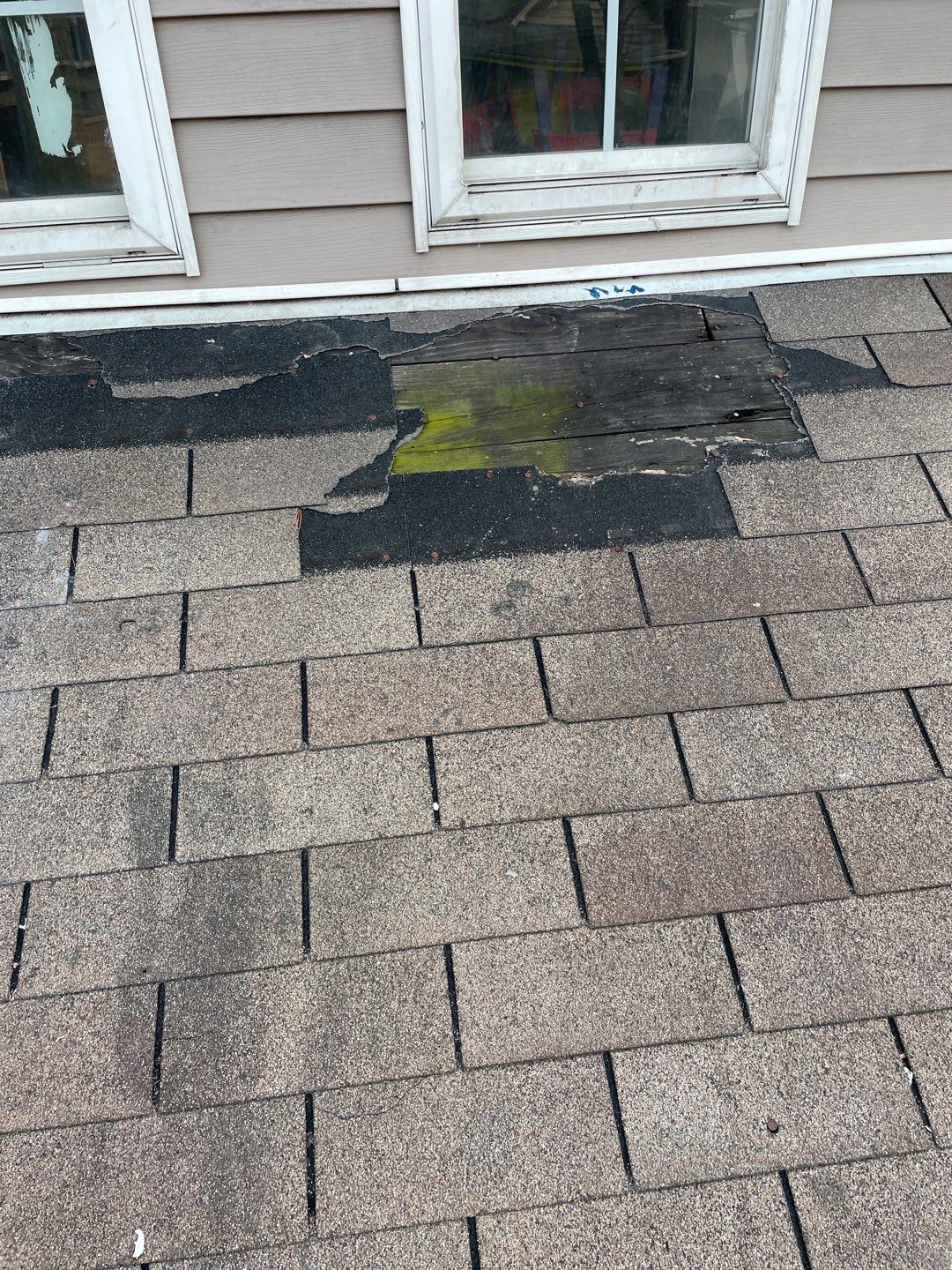
The honest short answer is that you look at age first, then at how many warning signs show up and where. A roof past its expected service life, or one showing several signs across different areas, almost always needs replacement. A newer roof with one isolated problem usually needs a repair. The signs that carry the most weight are active interior leaks, a sagging roofline, daylight through the attic deck, bare asphalt in the field, widespread curling, and shingles that keep coming off in ordinary wind. You can gather most of that evidence yourself from the ground and the attic. When the signs stack up, or you simply are not sure, a free professional inspection settles it with photos and a plain recommendation.
What is the most serious warning sign?
An active interior leak and a sagging roofline are the two we treat as immediate. A leak means water has already traveled through every layer of the roof and reached a finished surface, and every additional rain widens the damage. A sag means the structure under the shingles, the decking or the rafters, is no longer holding its load, and that only worsens, especially under winter snow. Both warrant a fast inspection rather than waiting for a convenient weekend. If you have water coming in right now, our emergency roof repair crew can stabilize it first so the interior stops taking damage while you sort out the longer-term fix.
Does a new roof add value when I sell?
A sound, recent roof helps a sale in two ways: it removes a common sticking point in the buyer's inspection, and it gives buyers confidence that a major system is handled. A failing roof tends to become a negotiation or a deal problem, while a documented replacement supports the asking price. How much value it adds varies with the market, the home, and the buyers, so it is not a fixed figure, but on a University Heights home with an aging roof, addressing it before listing usually beats letting it surface as a surprise during the transaction. We can give you a straight read on whether yours is worth replacing before a sale.
How long should a roof last in University Heights?
It depends on the material and how the roof was installed and ventilated. A standard architectural asphalt shingle in University Heights typically gives honest service for somewhere in the range of eighteen to twenty-five years, with three-tab shingles on the shorter end and impact-resistant or premium products on the longer end. University Heights weather, the hail, the wind, and the freeze-thaw swings, tends to push roofs toward the earlier end of the manufacturer's range. Two roofs of the same age can be in very different shape depending on attic ventilation and the quality of the original install, which is why age sets the expectation but a real inspection confirms it.
Can I just repair it instead of replacing?
Often, yes, and we will tell you when a repair is the right call. An isolated leak, a single failed flashing or boot, or a small missing patch on a roof with real life left are all clean repairs. Where repair stops making sense is when the failure is spread across the whole roof: widespread curling, bare asphalt everywhere, sealant strips that have failed across the field, or a deck with soft spots. At that point individual repairs rarely hold, and the money is better put toward a replacement. The deciding factors are the roof's age and whether the problem is isolated or systemic, and an honest inspection will tell you which side of that line you are on.
How do I tell normal aging from real failure?
Normal aging looks like minor granule loss, slight fading, and the occasional shingle off after a severe storm on a roof that otherwise performs. Real failure looks like widespread granule loss with bare mat, curling across the field, repeat leaks, a sagging deck, or damage that keeps coming back. The simplest test is whether the roof is still doing its job: keeping water out, holding shingles against normal wind, and keeping the attic dry. When those are true, it is aging. When one or more is no longer true, it is failing, and an honest inspection of your University Heights roof tells you which side of that line you are on.
Will insurance cover a worn out roof?
Insurance covers sudden, accidental damage, like hail or wind, not ordinary wear and age. A roof that has simply reached the end of its service life is a homeowner expense, while storm damage to a roof that still had life left is often a covered claim. The distinction is why documentation matters so much: an adjuster has to be able to tie the damage to a storm event rather than to age. If a storm rolled through and you think it hit your roof, it is worth a professional inspection and, if warranted, a claim, and our notes on storm damage insurance claims explain what carriers look for. Worn-out roofs without storm damage, though, are on you.
Should I replace a roof that still looks okay?
Sometimes, and this surprises people. A roof that looks acceptable from the ground at twenty-plus years often has failures you cannot see: sealant strips that have quit, brittle shingles, hidden flashing problems. Those make the roof vulnerable to the next real storm even though it photographs fine. That said, looking okay at twelve or fifteen years usually means it is fine, and we will say so. The right move on an older roof that looks acceptable is a professional inspection that checks the things appearance hides, so you replace on your timeline and budget rather than on an emergency after a leak.
What should I do first if I see warning signs?
Start by gathering the easy evidence: note the roof's age if you know it, look at the field and roofline from across the street, and take a flashlight into the attic on a sunny day to check for daylight, staining, and damp insulation. If you find urgent signs, an active leak, a sag, daylight through the deck, call for an inspection right away. If the signs are the slower kind, book a free inspection within the next few weeks so you understand the situation and can plan. University Heights Roofing provides free assessments across University Heights and will give you a straight answer on whether the roof needs work, including telling you when it does not.
What happens if I keep waiting?
Waiting is fine right up until it is not, and the line is usually a leak. Replace a roof before it leaks and you are paying for a roof. Replace it after water has been getting in and you are also paying for drywall, paint, insulation, and sometimes mold and structure, on top of rush pricing if it became an emergency. On University Heights projects we have watched a clean replacement turn into a job that costs half again as much once secondary damage is in the picture. The advantage of acting on the warning signs early is that the timeline stays yours: you pick the season, compare contractors without pressure, and choose materials without an emergency forcing your hand.